
Soch by Karna Shakya

Soch by Karna Shakya – A Powerful Book That Teaches You How to Think Bigger If you’ve ever felt stuck in life, unsure of your direction, or limited by circumstances, Soch by Karna Shakya is a book you need to read. Unlike typical motivational books filled with quotes and hype, Soch speaks honestly, practically, and deeply—especially to people living in Nepal and South Asia. The word “Soch” simply means thinking. But this book proves that how you think can completely change how you live. Karna Shakya, one of Nepal’s most respected entrepreneurs and thinkers, uses his life experiences to show that success is not about luck, background, or privilege—it starts with mindset. Why Soch Feels So Personal One of the strongest themes in Soch is the rejection of the victim mindset. The book reminds us that constantly blaming others—government, system, family, or luck—keeps us powerless. The moment we take responsibility for our thinking, we regain control. This doesn’t mean ignoring real problems. It means choosing response over reaction. Instead of asking: “Why is this happening to me?” The book encourages you to ask: “What can I learn from this?” “How can I move forward?” That shift alone can change everything. Thinking Beyond Borders and Comfort Zones Karna Shakya strongly believes that many people limit themselves because they never step outside familiar thinking patterns. In Soch, he encourages readers to: Think globally Learn continuously Stay curious Observe how successful people think and act He emphasizes that exposure changes thinking. When you read, travel, interact, and learn, your mindset expands. And once your mindset expands, you cannot return to small thinking. Failure Is Not the Enemy One of the most comforting lessons from Soch is how it reframes failure. Instead of seeing failure as something shameful, the book treats it as: A teacher A testing ground A stepping stone Karna Shakya shares how many of his ventures didn’t work as expected. But instead of giving up, he adjusted his thinking, learned from mistakes, and tried again. The book makes it clear: People don’t fail because they fall. They fail because they stop thinking forward. Discipline Over Motivation Soch doesn’t rely on temporary motivation. Instead, it stresses the importance of discipline and consistency. Motivation comes and goes. Discipline stays. Small daily habits—reading, planning, reflecting, improving—compound over time. According to the book, success is rarely dramatic. It is usually quiet, slow, and built through everyday effort. This is especially important for people who feel they are “late” in life. The book reassures that it’s never too late to change how you think. Money, Success, and Purpose While Soch talks about success, it doesn’t glorify money blindly. Instead, it encourages a balanced view of wealth. Money is important—but not at the cost of integrity, health, or peace of mind. Karna Shakya highlights that true success includes: Personal satisfaction Contribution to society Ethical growth Inner peace This makes Soch different from many modern self-help books that focus only on financial gain. Leadership Starts With Self-Leadership Another key lesson from Soch is that leadership begins within. Before leading others, you must: Control your emotions Clarify your values Strengthen your thinking The book encourages readers to become leaders in their own lives—taking responsibility for choices, actions, and mindset. Even if you never hold a leadership title, self-leadership will shape your career and relationships. The Power of Continuous Learning Karna Shakya strongly emphasizes lifelong learning. Formal education alone is not enough. Reading books, learning from mentors, observing failures, and staying open-minded are essential for growth. The book subtly reminds us: When learning stops, growth stops. In a rapidly changing world, those who keep learning stay relevant. Those who don’t get left behind. Why Soch Is Especially Relevant Today In today’s world—where comparison, social media pressure, and uncertainty are everywhere—Soch feels more relevant than ever. It teaches readers to: Focus on long-term thinking Avoid shortcuts Build resilience Stay grounded in values For young people feeling lost and older individuals feeling stuck, this book provides clarity and calm guidance. Key Takeaways from Soch Here are some powerful lessons you can apply immediately: Your mindset shapes your future Stop blaming and start thinking differently Failure is part of growth, not the end Discipline matters more than motivation Learning should never stop True success includes purpose and peace Final Thoughts Soch by Karna Shakya is not just a book—it’s a mirror. It makes you pause and reflect on how you think, how you react, and how you live. It doesn’t promise overnight success. Instead, it offers something far more valuable: clarity of thought. If you are willing to question your beliefs, upgrade your mindset, and take responsibility for your growth, Soch can genuinely change the way you see life. And sometimes, that’s all it takes—a change in thinking to change everything. If this summary made you reflect on your own thinking, I’d love to hear from you.What lesson from Soch resonated with you the most?Share your thoughts in the comments and explore more book summaries and personal growth insights on this blog.
The richest man in Babylon
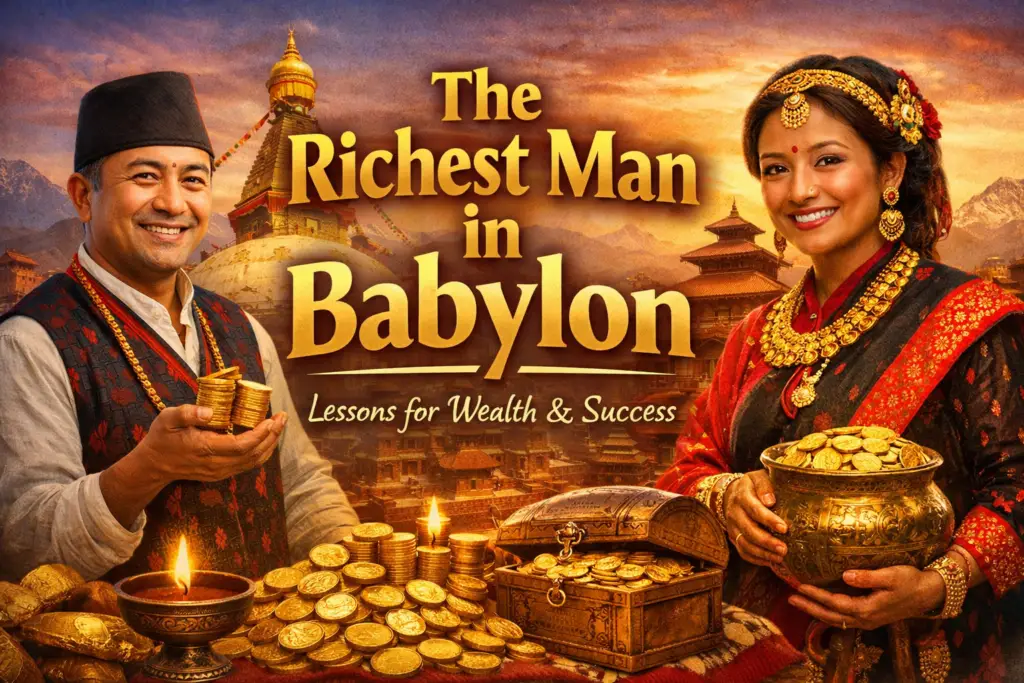
The Richest Man in Babylon by George S. Clason The Richest Man in Babylon is a timeless personal finance classic that teaches the fundamentals of wealth creation through simple parables set in ancient Babylon—once the richest city in the world. Rather than using complex financial theories, George S. Clason presents practical money lessons through stories that are easy to understand and remember. Although written nearly a century ago, the principles in the book remain highly relevant today. At its heart, the book emphasizes that wealth is built through discipline, smart habits, patience, and personal responsibility—not luck or sudden opportunity. The Setting and Purpose of the Book Babylon is portrayed as a city of prosperity, trade, and opportunity. However, not everyone in Babylon is wealthy. Some citizens struggle financially despite living in a rich city. Through conversations and stories, the book explains why some people grow wealthy while others remain poor. The central idea is simple: financial success follows universal laws, and anyone—regardless of background—can apply them to achieve wealth. Arkad: The Richest Man in Babylon The key character in the book is Arkad, the richest man in Babylon. Despite starting life as a poor scribe, Arkad becomes immensely wealthy by following sound financial principles. His friends later ask him how he achieved success, and Arkad explains that wealth comes from learning how money works and managing it wisely. Arkad becomes a teacher to others, passing on the wisdom that helped him succeed. His lessons form the foundation of the book. The Seven Cures for a Lean Purse One of the most important sections of the book introduces the Seven Cures for a Lean Purse, which are practical rules for building wealth. 1. Start Thy Purse to Fattening This principle teaches the importance of saving at least 10% of all income. Before spending money on anything else, a portion must be set aside as savings. This habit creates the foundation for wealth. The key message is: “A part of all I earn is mine to keep.” Saving is not about how much you earn, but about how much you keep. 2. Control Thy Expenditures Many people confuse needs with wants. This lesson teaches that living within your means is essential. Expenses should be controlled so that spending does not exceed income. This does not mean living a life of hardship, but rather making thoughtful choices. By budgeting wisely, individuals can enjoy life while still saving and investing for the future. 3. Make Thy Gold Multiply Saving alone is not enough. Money must be invested wisely so it can grow. Arkad teaches that gold should work for its owner by earning more gold. However, investments should be made carefully and with knowledge. Blindly chasing high returns often leads to losses. 4. Guard Thy Treasures from Loss This lesson warns against risky investments and scams. Many people lose money because they trust unqualified advisors or invest in things they do not understand. Arkad advises seeking guidance from knowledgeable and experienced individuals and avoiding schemes that promise quick riches. 7. Increase Thy Ability to Earn The final cure emphasizes self-improvement. Increasing skills, knowledge, and expertise leads to higher earning potential. Learning is portrayed as a lifelong process, and those who invest in themselves gain better opportunities and financial growth. The Five Laws of Gold Another core section of the book explains the Five Laws of Gold, which describe how money behaves. 1. Gold Comes Gladly to Those Who Save Money naturally flows to people who consistently save and invest a portion of their income. 2. Gold Works Diligently for the Wise Owner Money grows when invested wisely under the guidance of experienced individuals. 3. Gold Clings to the Protection of the Cautious Careful investors protect their money by avoiding unnecessary risks. 4. Gold Slips Away from Those Who Invest in What They Do Not Understand Ignorance leads to loss. Knowledge is the best protection against financial failure. 5. Gold Flees from Those Who Chase Unrealistic Gains Promises of quick wealth often result in disappointment and loss. The Importance of Discipline and Patience A recurring theme throughout the book is discipline. Wealth is not built overnight. It requires patience, consistent effort, and long-term thinking. The book discourages gambling, speculation, and shortcuts. Instead, it promotes steady progress through good habits practiced over time. Overcoming Fear and Procrastination Many people fail financially not because they lack opportunity, but because they are afraid to act or delay important decisions. The book encourages readers to take responsibility for their financial future and act with courage and wisdom. Fear should be managed with knowledge, not avoided entirely. Universal and Timeless Lessons Although set in ancient Babylon, the lessons apply perfectly to modern life. Concepts such as budgeting, saving, investing, risk management, and self-improvement are universal. The simplicity of the storytelling makes the lessons memorable and easy to apply, which is why the book remains popular decades after its publication. Key Takeaways from the Book Wealth begins with saving a portion of income Control spending and live within your means Invest wisely and avoid get-rich-quick schemes Protect your money through knowledge and caution Plan for the future and old age Continuously improve your skills and earning ability Conclusion The Richest Man in Babylon is not just a book about money—it is a guide to building a disciplined, responsible, and prosperous life. Through simple parables, George S. Clason teaches that financial success is achievable for anyone willing to learn and apply basic principles consistently. The book’s enduring message is clear: Wealth is the result of good habits practiced faithfully over time. By following these timeless laws of money, readers can move from financial struggle to security and abundance, just as the citizens of Babylon once did. 💬 Let’s Continue the Conversation If this summary helped you see money in a new way, I’d love to hear from you.What’s one lesson from The Richest Man in Babylon that really stood out to you?Share your thoughts in the comments below —